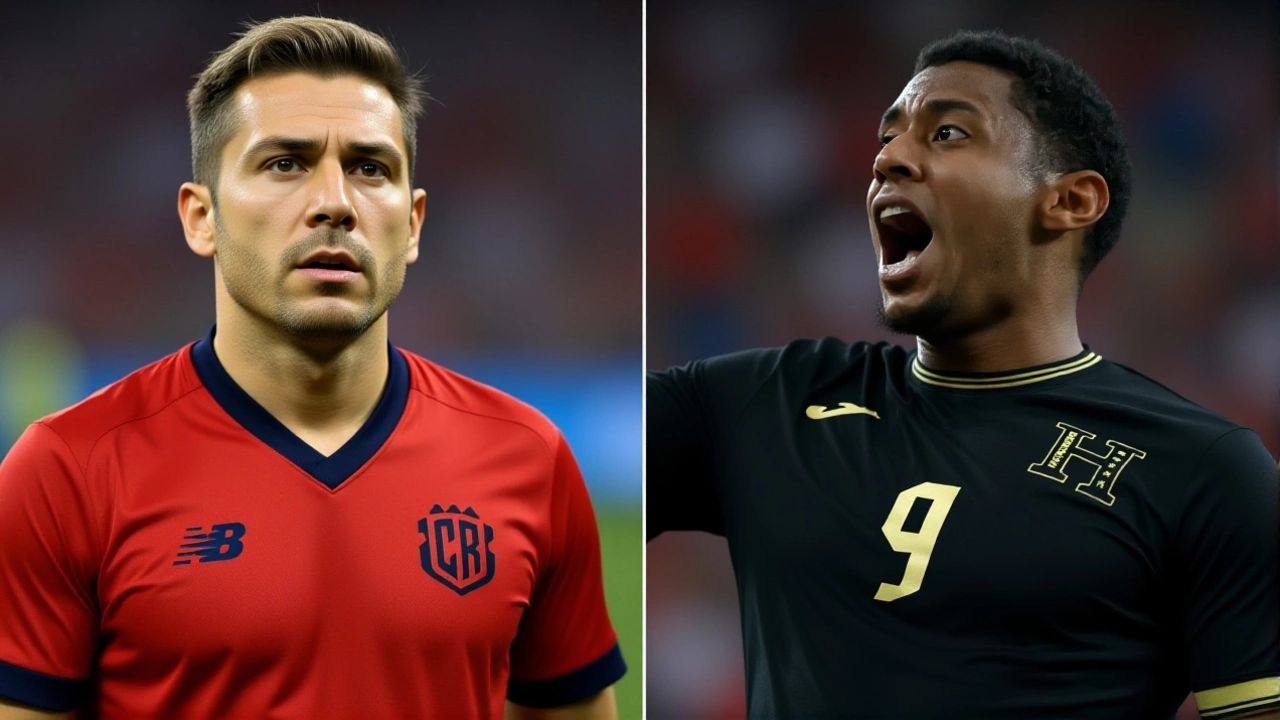
It was the final whistle that echoed louder than any goal never scored. On Matchday 6 of the 2026 FIFA World Cup Qualifying - CONCACAF Third Round, Costa Rica National Stadium in San José, a tense 0-0 draw between Costa Rica and Honduras didn’t just end a match — it ended a dream. For Costa Rica, the once-dominant force in CONCACAF, the 2026 World Cup is now out of reach. The result, coupled with Haiti’s 2-0 win over Nicaragua, confirmed what fans had feared since the opening whistle: Costa Rica finished third in Group C with just seven points, missing the cut for the final qualifying round by two points. The clock struck 20:50 local time. No celebration. Just silence in the stands.
What Went Wrong?
The match wasn’t without drama. Keylor Navas, the 38-year-old veteran goalkeeper, made a diving stop in the 87th minute to deny Honduras’ best chance — a rebound off a corner that Kervin Arriaga had nearly buried. "What a save, Keylor Navas," ESPN’s commentary echoed. "It was nearly the moment for Honduras." But even that heroics couldn’t spark an offense that had gone 324 minutes without a goal in qualifying. Costa Rica’s attack, once feared across the region, looked disjointed. Substitutes like Celso Borges and Kevin Chamorro were asked to carry the load, but the rhythm was gone. Luis Vega’s full-commitment tackle in the 63rd minute sparked heated protests from Costa Rican players — and not just because it was a foul. It was symbolic: desperate, late, and ultimately futile.Meanwhile, Haiti’s 2-0 win in Managua sealed the fate of Costa Rica. That result, as CBS Sports noted, was "terrible news for Costa Rica" — and even "bad news for Honduras," because it meant Honduras had to rely on a draw to advance. They got it. And now, Haiti (11 points) leads the group, Honduras (9 points) follows, and Costa Rica — once a perennial World Cup contender — sits at 7 points, behind even Nicaragua on goal difference in the final standings.
The Numbers Don’t Lie
The final group table tells the story coldly:- Haiti: 3 wins, 2 draws, 1 loss — 11 points, +3 goal difference
- Honduras: 2 wins, 3 draws, 1 loss — 9 points, +3 goal difference
- Costa Rica: 1 win, 4 draws, 1 loss — 7 points, +2 goal difference
- Nicaragua: 1 win, 1 draw, 4 losses — 4 points, -8 goal difference
Costa Rica’s record — one win, four draws — sounds like a team that played well. But in qualifying, draws aren’t enough. They’re the currency of survival, not advancement. They needed a win here. They needed Haiti to lose. Neither happened. And with no margin for error, the math was brutal: a draw with Honduras meant elimination if Haiti won — which they did, with goals from Jean-Jacques Pierre and Jhony Peralta.
Why This Hurts So Much
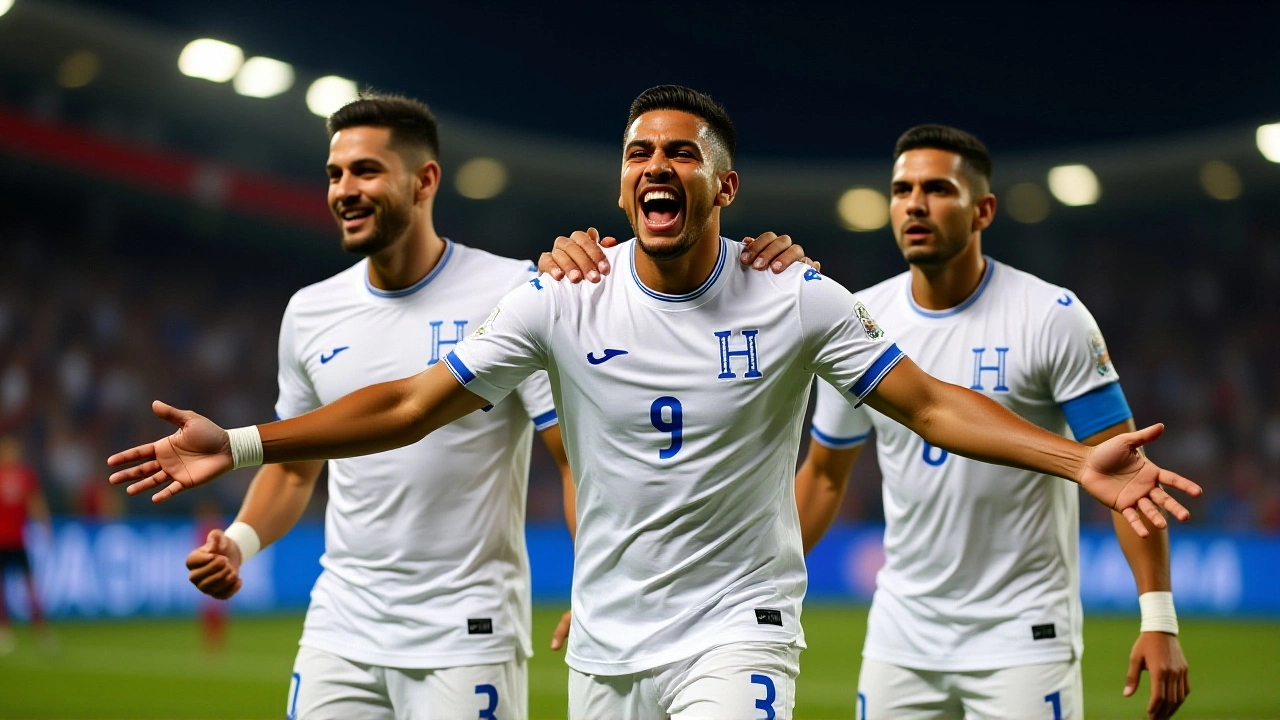
This isn’t just another missed World Cup. It’s the continuation of a slow unraveling. Costa Rica qualified for the 2022 World Cup only after beating New Zealand in a playoff — a result many fans still consider a fluke. Now, they’ve failed to even reach the final qualifying round. The 2014 and 2018 campaigns, where they stunned Uruguay and reached the quarterfinals, feel like relics. The generation of Joel Campbell, Bryan Ruiz, and Marco Ureña has passed. The new one — led by players like Kevin Chamorro and Patrick Sequeira — hasn’t stepped up.And it’s not just talent. It’s structure. The Costa Rican Football Federation has struggled with funding, coaching turnover, and inconsistent youth development. Meanwhile, Honduras — long the region’s underdog — has quietly built resilience. They didn’t win big. They didn’t score flashy goals. They held on. They drew. And in qualifying, that’s often enough.
The Bigger Picture
The final round of CONCACAF qualifying — the six-team gauntlet — will now feature Haiti, Honduras, the USA, Mexico, Canada, and Panama. Three automatic World Cup spots and one intercontinental playoff berth are on the line. For Honduras, this is a chance to prove they belong among the region’s elite. For Haiti, it’s a miracle story: a national team that hasn’t played a home game in four years because of gang violence controlling 85% of the capital, now on the brink of their first World Cup since 1974.Costa Rica? They’ll watch from home. The Costa Rica National Stadium, with its 35,175 seats, will sit empty for the next round. And for a country that once danced through World Cup qualifiers like they were a national holiday, the silence is deafening.
What’s Next?
The federation has already signaled a reset. A new head coach is expected to be named by January 2026, likely from outside the country — a sign of desperation. Youth academies will be scrutinized. The U-20 team, which finished last in its group in the 2025 CONCACAF Championship, offers little hope. And fans? They’re asking the same question: when did we stop being good?For now, the answer is clear: it started when draws stopped being enough.
Frequently Asked Questions
How did Haiti qualify despite not playing at home?
Haiti played all six of their qualifying matches away from home due to security concerns in Port-au-Prince, where gangs control 85% of the capital. They won two away games in the U.S. and Canada, drew two in Honduras and Nicaragua, and secured their crucial 2-0 win over Nicaragua in Managua — all without a single home match since 2021. Their resilience turned a logistical nightmare into a historic breakthrough.
Why didn’t Costa Rica’s draw with Honduras count as a win for them?
In World Cup qualifying, draws only help if your rivals lose. Costa Rica needed a win to reach nine points, which would have forced a tiebreaker with Honduras. But Haiti’s 2-0 win over Nicaragua pushed them to 11 points, and Honduras’ draw kept them at nine. With only the top two advancing, Costa Rica’s seven points — even with a +2 goal difference — weren’t enough. It was a perfect storm of bad timing and bad luck.
Who were the key players in this match?
For Costa Rica, goalkeeper Keylor Navas was the only standout, making a vital save in the 87th minute. Midfielder Celso Borges controlled the tempo but couldn’t create chances. For Honduras, defender Kervin Arriaga held firm under pressure, and goalkeeper Luis López made three key stops. Neither side had a goal-scorer, but Navas’ performance was the closest thing to a highlight.
How does this compare to Costa Rica’s past World Cup campaigns?
In 2014, Costa Rica topped a group with Uruguay, Italy, and England — a miracle run that took them to the quarterfinals. In 2018, they qualified with ease, finishing second in their group. But since then, their performance has declined sharply. In 2022, they barely made it via a playoff. Now, they’ve missed the final qualifying round for the first time since 2010. The gap between their golden era and today’s struggles is widening fast.
What’s at stake for Honduras now?
Honduras will join the final six-team CONCACAF round where three direct World Cup spots and one playoff berth are decided. They’ve never reached the World Cup since 2010 and haven’t qualified since 2014. This is their best chance in over a decade. If they can hold their ground against the USA and Mexico — even earning a draw — they could sneak into the playoff. It’s a long shot, but for a nation that’s survived civil unrest and economic hardship, it’s a dream worth fighting for.
Will Costa Rica bounce back for 2030?
It’s possible, but unlikely without major reform. The U-20 team’s poor showing in 2025 suggests a talent drought. The federation must invest in grassroots development, stabilize coaching staff, and create a clear playing identity. Without those changes, 2030 could be another missed opportunity. The World Cup is a marathon — and Costa Rica has fallen behind the pack.